What foods cause acid indigestion?
You might have heard acid indigestion referred to as heartburn.
This is the burn in your chest, behind the breastbone, that can be worse after eating.
If getting heartburn, your diet may be very closely linked – adjustments to your diet can make a big difference.
So what foods can cause heartburn? In this article, we look closely at the kinds of foods that can cause acid indigestion.

10 common foods that can cause acid indigestion
Here’s the rundown of 10 common foods that can cause acid indigestion. We’ll talk about each type of food and pinpoint why it can cause heartburn.
Spicy foods
Spicy foods have the potential to cause acid indigestion and acid reflux (the backward flow of stomach acid into the oesophagus, which can result in heartburn) according to research. A study conducted in South Korea found that this was particularly true for people who have gastroesophageal reflux disease (GERD), a more serious form of acid reflux.
Another piece of research found that if you eat spicy food regularly, you may experience fewer GERD symptoms than if you were eating it on a rare occasion. In general, it’s sensible to limit your spicy foods if you regularly experience acid indigestion.
Fatty or fried foods
Fatty or fried foods may put you at risk of acid indigestion. Along with some other heartburn trigger foods containing salt and spice, they’re thought to relax the lower oesophageal sphincter (LES), the ring of muscle at the lower end of the oesophagus, which is the tube that joins your throat to your stomach. They’re also thought to delay the digestion of food which means its sits in the stomach for longer.
Foods which fall under this category include chips, crisps, ice cream, high-fat red meat, creamy sauces and dips and fried chicken.

Citrus fruits
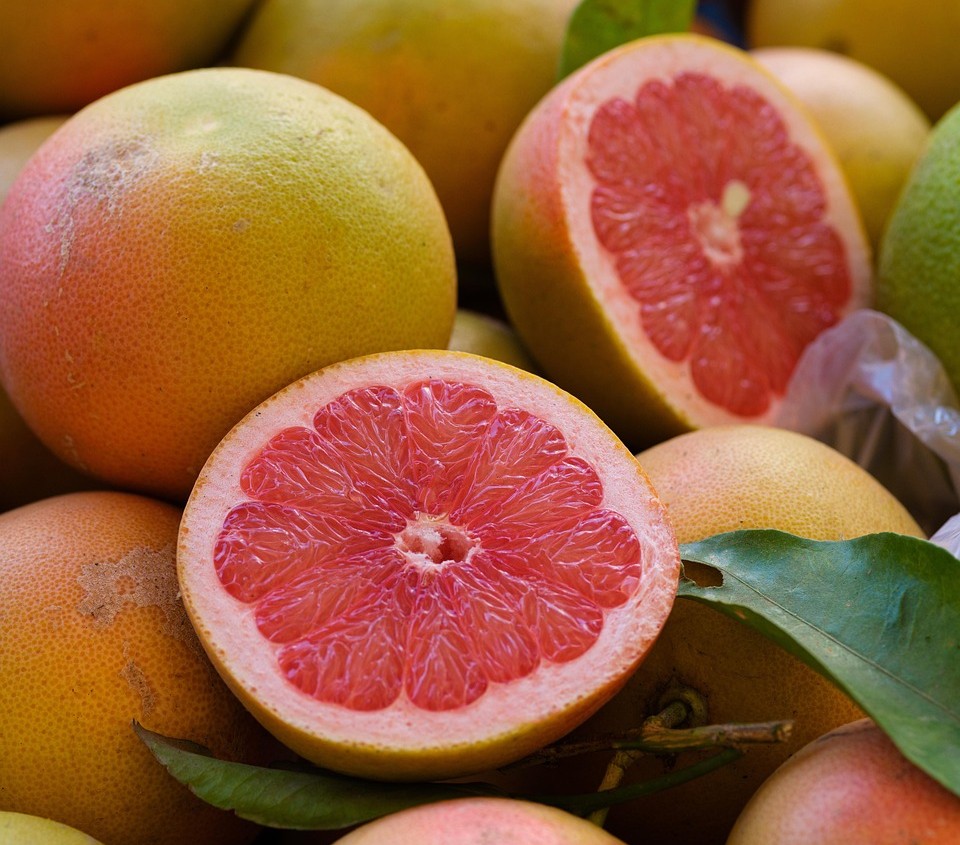
While they are good for you, unfortunately, citrus fruits can be another trigger for acid indigestion or heartburn for some people.
Fruits such as lemons, oranges and grapefruits may be a heartburn trigger due to the same effect on the oesophageal sphincter and the digestion process as fatty food.
The same goes for citrus juices such as orange juice or pineapple juice – some people may find that they are an acid indigestion trigger.
Tomatoes and tomato-based sauces
Like citrus fruits, tomatoes and tomato juice are linked to worsening acid reflux symptoms. As with many of the foods we’ve included on this list, people’s tolerance in relation to tomatoes and acid indigestion can vary.
Chocolate
It might be one of the nation’s favourite snacks, but unfortunately, chocolate can also cause acid indigestion.
Studies show that chocolate can reduce the pressure in the lower part of the oesophageal sphincter, and as we have covered, this slows the digestive process.
The offending compound found in chocolate that causes the relaxation of the LES muscle is methylxanthine. But that’s not the only ingredient that could potentially give you acid indigestion. There is also the fat in chocolate – in the form of cacao butter – which can also increase acid levels in your tummy.
Onions and garlic
Onions are another potential trigger for acid indigestion, but exactly why has proven inconclusive.
The evidence is there to suggest that onions could lead to heartburn for some people. One study gave participants a plain hamburger on one day, followed by one with onions the next day. It was found that the onion burger produced more heartburn symptoms.
Also, onions are rich in FODMAPS (Fermentable Oligo-, Di-, Mono-saccharides, and Polyols), which are small nondigestible carbs that could cause heartburn in people sensitive to them.
As for garlic, it is known to reduce pressure in the LES muscle, which, as we know, can lead to acid indigestion.
Coffee and caffeinated drinks
While they might provide the perfect ‘pick-me-up’, coffee, tea, and other caffeinated drinks can cause heartburn in some people.
It’s a familiar story. Caffeinated drinks can relax the LES, which can lead to acid indigestion. If you get acid reflux, and particularly if you have GERD symptoms, it might make sense to limit your intake of coffee and other caffeinated drinks.

Alcohol
Research has found that alcohol may increase GERD symptoms such as acid reflux.
Whatever your favourite tipple – from beer to wine and spirits – it might present a risk factor for heartburn due to the relaxation of the LES, allowing stomach acid to go into the oesophagus and be a heartburn trigger.
Not everyone who drinks alcohol will get acid in digestion issues, but extensive research found that people who drank alcohol five times or days a week or more have at least twice as much chance of having GERD than those who rarely drank or are teetotal.
Carbonated drinks
Fizzy drinks can relax the LES and cause heartburn. Not only that, but there is evidence that they increase the acidity of your stomach acid, which can make acid indigestion worse.
If you feel that fizzy drinks are triggering acid indigestion, try reducing how often you drink them or entirely cutting them out for a while.
Can Haribo gummies and other sweets cause acid reflux?
Surely not the humble Haribo? Or any gummy sweets for that matter?
While there’s no evidence that sugar alone causes acid indigestion there have been studies that have shown diets high in sugar do result in more frequent and worse acid reflux symptoms.

Final thoughts
We’ve covered potential foods that cause acid indigestion. But ultimately, acid indigestion triggers will vary from person to person.
Consider keeping a food diary to help identify and track personal sensitivities. You could also try experimenting by eating occasional, smaller portions of the foods that you feel may be triggering heartburn if you struggle to cut them out altogether.
Bisodol Indigestion Relief Tablets are for the relief of the symptoms of gastric hyperacidity, variously called indigestion, heartburn, dyspepsia and flatulence. Always read the label.
