How to improve gut health: Best foods, worst foods, and the Gut-Brain
Gut health is more than just a wellness trend — it’s a growing area of scientific discovery.
Researchers are uncovering just how central our digestive system is to overall health, with new studies showing that the gut doesn’t just manage digestion, it can influence everything from brain function and immunity to mood, energy and sleep.
Far from being a passing fad, gut health is emerging as a cornerstone of long-term wellbeing. But what exactly is gut health and what can you do to support it?

Understanding gut health: The gut microbiome, digestion, and the gut-brain connection
Firstly, the term ‘gut’ refers to the entire digestion system – this journey starts when we chew our food which mixes with saliva containing digestive enzymes before it moves down through the oesophagus into the stomach and the process continues.
Food is digested in the small intestine – any undigested food such as fibre moves into the large intestine and it’s here where trillions of tiny microbes consisting of bacteria, viruses and fungi work away to break it down further.
Collectively known as the ‘gut microbiota’, they live in what is known as ‘gut microbiome’.
Scientists now believe the diversity and balance of the good and beneficial bacteria supports our overall health.
There’s thought to be around 3,000 species of bacteria present in the gut at some stage and everyone’s gut microbiota is unique.
Aside from supporting digestion and helping to keep the lining of the gut healthy, the microbes support the immune system and some can produce vital vitamins including B vitamins to help reduce tiredness and vitamin K, vital for blood clotting.
They’re also believed to be involved in the gut-brain connection (sometimes called the gut-brain axis), a network of nerves where the brain and gut communicate with each other both physically and emotionally.
If you ever experienced that ‘butterflies in the stomach’ sensation or had a ‘gut feeling’, that’s the gut-brain connection at work.
The right balance of beneficial bacteria is also thought to suppress harmful bacteria that causes diseases and play a role in affecting mental health, although this research is still in its early stages.
Our guts are special in so many ways so we really owe it to them to keep them healthy!

How to improve gut health
The single biggest influence on your gut microbes – and overall gut health – is what you eat.
Not everything you consume is absorbed by your body. Some components, like fibre, are instead used to nourish your gut bacteria.
These special types of fibre are known as prebiotics — not to be confused with probiotics, commonly described as the ‘good bacteria’ found in fermented foods and added to supplements and gut health drinks.
Prebiotic fibres can’t be digested by humans, but your gut bacteria thrive on them. Eating a healthy, balanced diet is a key part of supporting gut and good health in general.
This means eating the right amount of a variety of food and the same goes for what you drink too.
The five main food groups you should aim to include every day are:
- At least five portions of fruit and veg each day whether that’s fresh, frozen, tined, juiced or dried.
- Starchy food such as bread, potatoes, rice or pasta – even better if they’re higher fibre versions.
- Dairy or dairy alternatives
- Protein rich foods such as meat, beans, pules, eggs and fish
- Small amounts of unsaturated oils and spreads Some foods that contain larger amounts of prebiotics include:
- Bananas
- Tomatoes
- Garlic
- Onions
- Green leafy vegetables
- Wholegrain cereals

The worst foods for gut health
Advice is regularly updated on what we should and shouldn’t be eating as we learn more about how the gut is linked to overall health, from digestion to boosting our immunity.
When it comes to improving your gut health, limiting or avoiding certain food can be just as important as knowing what to include in your diet.
Here are some of the foods to watch out for:
Ultra-processed foods
Many ultra-processed foods are high in calories, salt, sugar and saturated fat. Too much ultra-processed food is linked to health conditions such as heart disease and type 2 diabetes.
Red and processed meats
Meat such as beef, chicken and pork brings a wealth of protein, vitamins and minerals as part of a healthy balanced diet but it’s recommended you don’t eat too much red or processed meat which tends to be high in saturated fats and salt. Processed meat includes sausages, bacon, ham.
Alcohol (especially in excess)
Alcohol can alter the make-up or balance gut microbiome from its regular ‘happy’ composition to knocking it off kilter. This can affect other organs too such as the liver and blood. Even moderate drinking can affect microbial balance. Excess alcohol can also increase acid production which can lead to heartburn.
Fried foods
High-fat fried foods are thought to be harder to digest and saturated and trans fats (the fat that can block arteries and increase the risk of heart attack) and may even reduce the diversity of gut bacteria.
Dairy
Dairy products do offer a variety of health benefits such as protein and calcium but in high amounts they are understood to cause changes in gut microbiome and even increase the more harmful bacteria at the expense of the good bacteria.
Refined carbohydrates
Also known as simple carbohydrates these are foods such as white bread, pastries, white flour, white rice and certain breakfast cereals. They include sugars and grains which have been stripped of nutrients and fibre which are highly beneficial for gut bacteria. While they digest quickly, they can lead to spikes in blood sugar which can make you feel hungry. We often crave them as comfort food but the end result can affect mood, health and weight gain.

Is indigestion linked to gut health – or just what you’ve eaten?
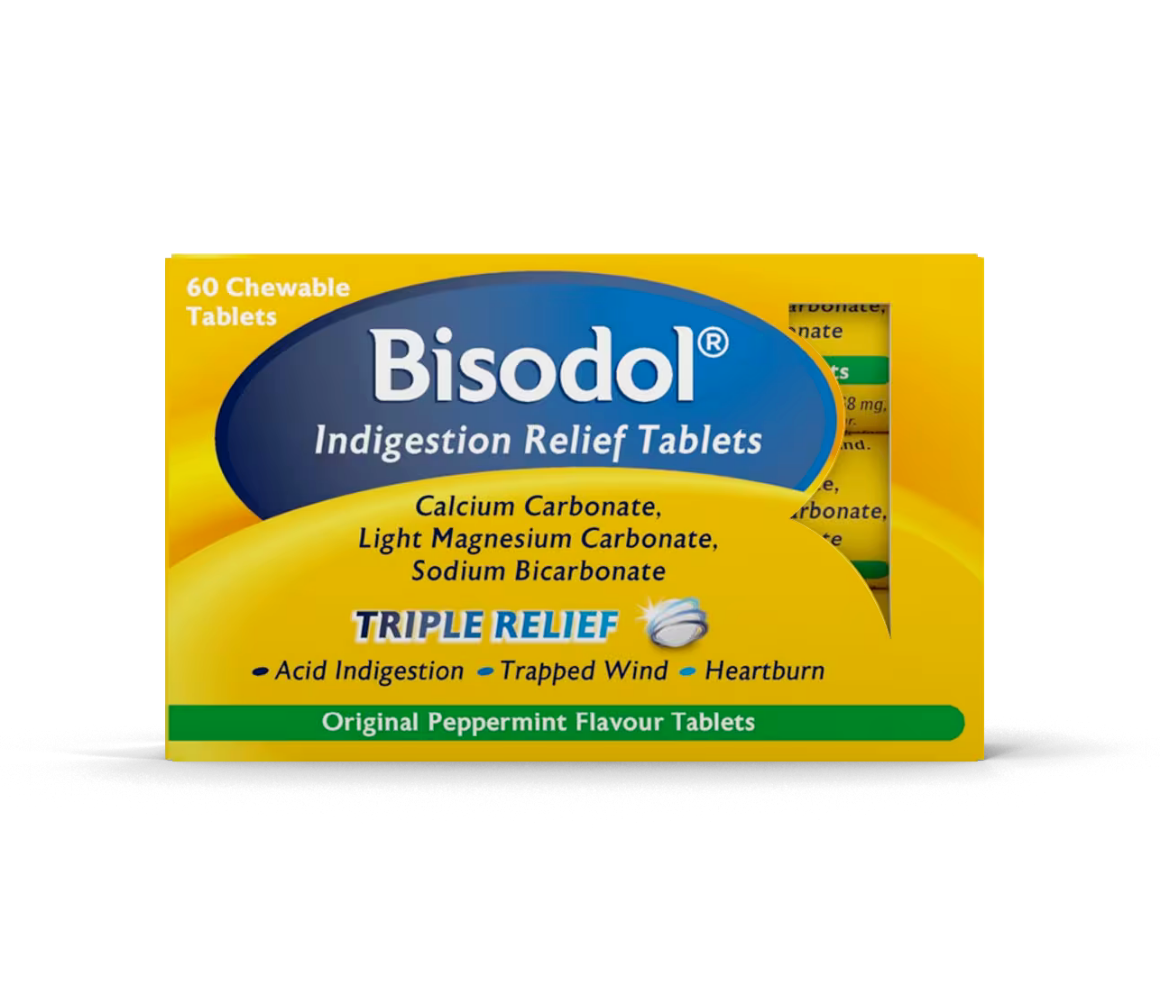
Most people experience occasional digestive discomfort – a bit of trapped wind after a heavy meal, heartburn from rich food, or indigestion when eating too quickly.
Often, these are short-term issues caused by what or how you eat, rather than a sign of poor gut health.
However, if symptoms occur more frequently, it could be time to look at whether you’re eating a healthy, balanced diet that includes enough tummy friendly foods.
This includes a diet rich in fibre – 30g a day is recommended – limiting fatty and processed foods and staying hydrated to aid digestion.
If certain foods seem to trigger your symptoms try to limit or cut them out altogether – keeping a food diary can help you identify them.
Stress can also be a trigger as it can upset the delicate digestion process, leading to bloating, heartburn, stomach ache and constipation.
In summary
It’s safe to say occasional digestive gripes such as indigestion and heartburn can be helped or resolved by simple lifestyle changes.
And as we learn more about gut health and how the gut and the brain are inter-linked we are starting to understand more how diet, overall health and mood are connected!
There may be something in that ‘gut feeling’ after all!